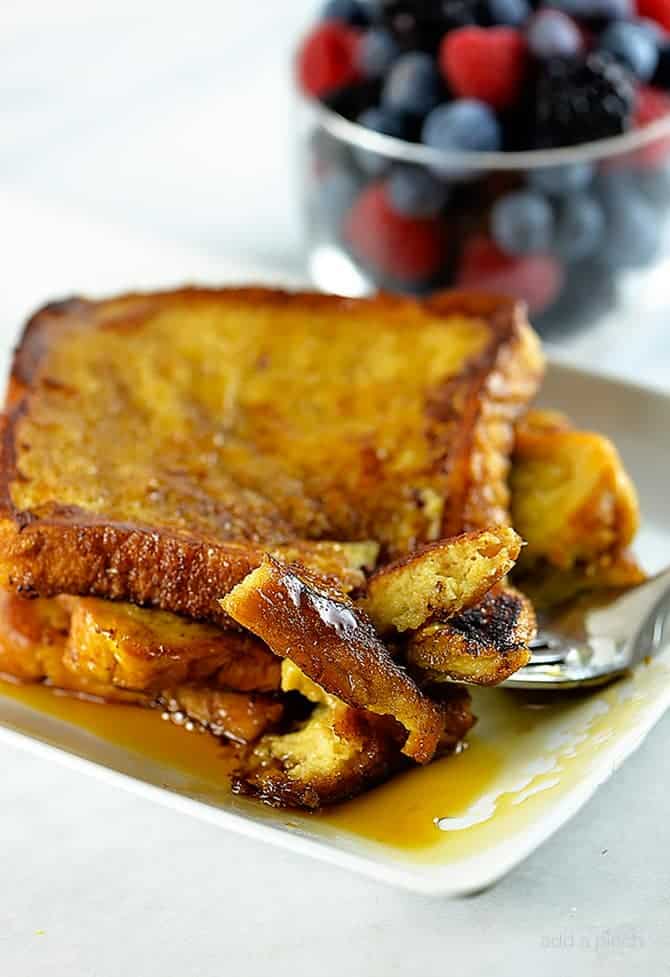
Achieve Flawless French Toast: Crispy Crust & Custardy Center
For many, French toast holds a special place in the pantheon of breakfast and brunch delights. The mere mention conjures images of golden-brown slices, drizzled with syrup, perhaps adorned with fresh berries or a dusting of powdered sugar. Yet, the path to truly flawless French toast – that elusive combination of a perfectly crispy exterior and a melt-in-your-mouth, custardy interior – can often feel like a culinary quest fraught with soggy centers, burnt edges, or an utterly bland taste. If you’ve ever found yourself wrestling with a batch of "meh" French toast, leaving you, the culinary enthusiast, feeling a tad defeated, you're not alone. The secret to a truly perfect french toast recipe isn't just in the ingredients; it's in understanding the alchemy of their interaction.
The Quest for French Toast Perfection: Beyond the Basics
The common pitfalls of homemade French toast are all too familiar:
- The Soggy Middle: The most frequent offender, often a result of insufficient soaking or a custard that’s too thin.
- The Burnt Exterior, Raw Interior: Typically caused by cooking at too high a temperature, browning the outside before the inside has a chance to cook through.
- Bland Flavor: A simple egg and milk wash often lacks the depth of flavor needed to transform humble bread into an extraordinary treat.
- Uneven Cooking: Some parts are crispy, others are floppy, making for an inconsistent experience.
Many approach French toast as a simple dip-and-fry affair, overlooking the nuances that elevate it from good to absolutely transcendent. The difference lies in moving beyond merely coating the bread and instead focusing on allowing the custard to truly permeate it, creating that impossibly soft, rich interior we all crave.
The Custard is King: Unlocking Richness and Flavor
At the heart of any truly great French toast is its custard. This isn't just a binding agent; it's the very soul of the dish, responsible for both its texture and its depth of flavor. Many recipes skimp on the richness, resulting in a thin, watery coating that merely sits on the bread's surface rather than truly transforming it. The secret, as many a culinary perfectionist has discovered, is in a specific ratio of full-fat dairy to eggs and a thoughtful blend of nuanced flavors.
Key Ingredients for an Unforgettable Custard:
- Full-Fat Dairy: This is non-negotiable for a custardy center. While milk is standard, upgrading to whole milk, half-and-half, or even a mix of milk and heavy cream dramatically enhances richness. The higher fat content contributes to a silkier texture and better browning. Aim for approximately 1 cup of dairy per 2-3 large eggs, adjusting based on desired richness and bread thickness.
- Eggs: The foundational element. Don't be afraid to add an extra yolk or two to your mixture. Yolks provide emulsification, richness, and that beautiful golden hue, contributing significantly to the "custardy" texture. Whisk them thoroughly until no streaks remain, ensuring a uniform consistency.
- Sweeteners and Spices: Beyond a simple sprinkle of sugar, consider the depth that brown sugar, maple syrup, or a touch of honey can bring. Vanilla extract is a must, but don't stop there! Spices like cinnamon, nutmeg, a hint of cardamom, or even a tiny pinch of cloves can elevate the aroma and flavor profile. A splash of orange zest or a teaspoon of rum/brandy can also add a sophisticated touch.
- A Pinch of Salt: Often overlooked, a small amount of salt balances the sweetness and enhances all the other flavors, preventing your French toast from tasting one-dimensional.
The Art of Absorption: Mastering the Soak
Once you have your perfectly rich custard, the next critical step is ensuring it absorbs properly into the bread. This is where patience truly becomes a virtue. Rushing the soaking process is a primary reason for soggy middles and underwhelming texture. The goal is for the bread to be fully saturated, but not disintegrated, allowing it to cook into a uniform custardy cloud. If you want to dive deeper into this critical step, you can
Unlock the Secret to Perfect French Toast: Rich Custard & Patient Soak.
Choosing Your Bread Wisely:
The canvas for your culinary masterpiece matters. Opt for sturdy, day-old bread, as fresh bread can become too mushy.
- Brioche: The undisputed champion. Its rich, buttery flavor and soft, open crumb make it ideal for soaking up custard and achieving an incredibly tender interior.
- Challah: Another excellent choice, similar to brioche with a slightly denser texture and a beautiful braided appearance.
- Texas Toast: Thick-cut white bread works well due to its robust structure, which can handle a generous soak.
- Sourdough: For a tangier profile, sturdy sourdough can offer a delightful contrast to the sweet custard.
Cut your bread into slices that are at least ¾ to 1 inch thick. Thinner slices risk falling apart or becoming over-saturated too quickly.
The Patient Soak: A Game Changer:
This is arguably the most crucial step in achieving that coveted custardy center.
- For thinner slices (¾ inch): Allow each side to soak for at least 30-60 seconds.
- For thicker slices (1 inch or more): You might need 1-2 minutes per side, or even a longer, shallow soak in a baking dish. The bread should feel heavy and softened but not falling apart.
Resist the urge to simply dunk and flip. A deliberate, unhurried soak ensures the custard permeates all the way through, creating a truly harmonious texture once cooked.
The Perfect Sear: Achieving that Golden, Crispy Crust
With your expertly soaked bread, the final stage is cooking it to golden-brown perfection, achieving that irresistible crispy crust.
Pan Selection & Heat Control:
- Pan Choice: A heavy-bottomed pan, such as cast iron or a good quality non-stick skillet, is ideal for even heat distribution.
- Temperature is Key: This is where many go wrong. French toast needs to cook slowly at medium-low to medium heat. High heat will burn the outside before the custard has a chance to set and cook through.
- Fats for Frying: A combination of butter and a neutral oil (like canola or grapeseed) works wonders. The oil prevents the butter from burning too quickly, while the butter adds incredible flavor and helps achieve that beautiful golden hue and crispy crust.
Cooking Technique:
Preheat your pan with a tablespoon of your fat mixture until shimmering. Don't overcrowd the pan; cook 1-2 slices at a time to maintain consistent heat. Place the soaked bread into the pan and let it cook undisturbed for 3-5 minutes per side, or until it’s deeply golden brown and shows no signs of raw batter. The edges should be crisp, and when pressed gently in the center, it should feel firm but still yield slightly, indicating a cooked custard. For thicker slices, you can finish them in a preheated oven (around 300°F/150°C) for a few minutes after searing to ensure the center is fully cooked without over-browning the exterior.
Grandma Gwen's Wisdom: Making it Easy and Appealing
While the pursuit of the ultimate perfect french toast recipe can involve meticulous steps, it's also worth remembering that delicious French toast can be incredibly easy and quick to prepare, as exemplified by beloved family recipes. Many appreciate the straightforward approach that prioritizes speed and universal appeal. Grandma Gwen's approach, for instance, focuses on readily available ingredients like milk, sugar, eggs, vanilla, and spices, paired with simple brioche bread, and a quick preparation time often under 25 minutes. This style of homemade French toast is a testament to the fact that you don't always need a culinary degree to create something everyone loves. Children and adults alike gravitate towards its sweet simplicity, making it a reliable and cherished breakfast or brunch option that pairs wonderfully with any breakfast meat or eggs. It offers a fantastic starting point for anyone looking for a no-fuss, crowd-pleasing option. You can discover the charm of a quick, homemade family favorite with
Grandma Gwen's Easy French Toast: Quick Homemade Family Favorite. It proves that sometimes, the joy is in the ease and the shared experience.
Conclusion
From tackling the common woes of soggy French toast to mastering the subtle art of custard absorption and precise searing, achieving truly flawless French toast is entirely within your reach. It’s a journey that moves beyond basic ingredients and delves into understanding the *why* behind each step – the richness of the custard, the patience of the soak, and the control of the heat. Whether you're aiming for the ultimate gourmet experience or a simple, beloved family breakfast, these insights will guide you to consistently achieve that glorious crispy crust and melt-in-your-mouth custardy center. So, next time brunch rolls around, say goodbye to "meh" and hello to perfection. This perfect french toast recipe is about to become your new weekend tradition, filling your home with an aroma that will beckon everyone to the kitchen for a taste of pure bliss.